
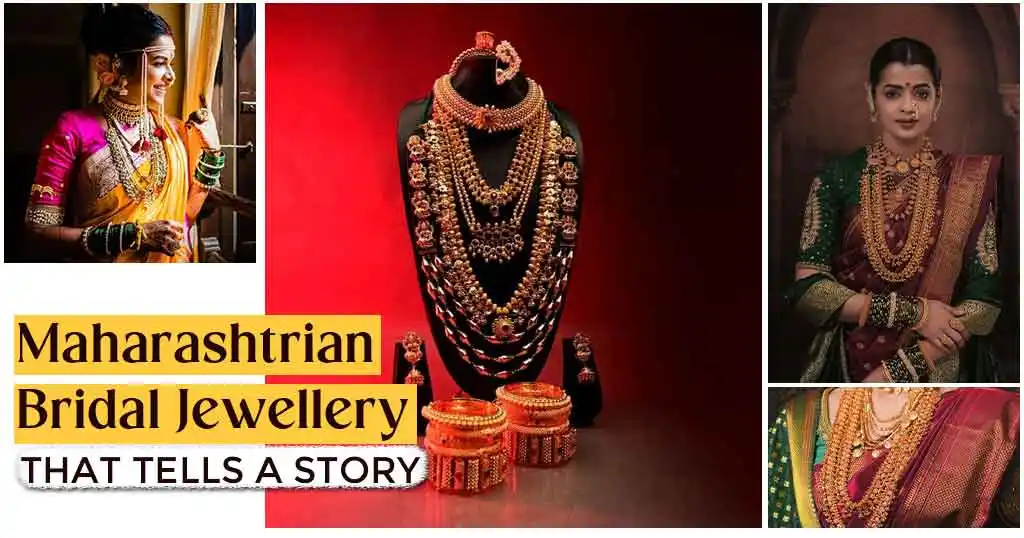
Timeless, Traditional, and Truly Majestic
Every bride dreams of looking ethereal on her big day. And in Maharashtra, nothing defines bridal grace quite like the rich heritage of Maharashtrian bridal jewellery. From the iconic nath that graces the nose to the shimmering thushi around the neck, every piece tells a story a celebration of tradition, culture, and feminine power.
But with so many designs, rituals, and modern-day variations, how do you choose the right pieces for your wedding? This guide simplifies the journey. Whether you’re the bride, a family member, or simply a jewellery enthusiast, you’ll discover the must-have pieces, their significance, and styling tips rooted in tradition with a modern twist.
Read on as we explore everything you need to know about Maharashtrian bridal jewellery, including gold favourites, statement bangles, and traditional sets that elevate every bridal look.
A Tradition Passed Down Generations
Maharashtrian bridal jewellery is more than ornamentation it’s a living legacy. Every piece represents a blend of regional pride, craftsmanship, and sacred symbolism.
- Gold as a Blessing: The use of Maharashtrian bridal gold jewellery is deeply embedded in rituals. It signifies prosperity, purity, and divine blessings from Goddess Lakshmi.
- Cultural Symbolism: Each ornament has cultural relevance, whether it’s a protective charm or a symbol of marital status.
- Family Heirlooms: Many pieces are passed down from mothers to daughters, carrying emotional and ancestral value.
In today’s weddings, brides often blend traditional pieces with contemporary design to reflect their personality while honouring customs.
2. The Must-Have Pieces in a Maharashtrian Bridal Jewellery Set
A Maharashtrian bride’s jewellery box is a treasure trove of cultural beauty. Each ornament holds symbolic significance, family heritage, and unmatched artistry. Let’s dive into the essential pieces and what makes them special.
a) Thushi
The thushi is one of the most iconic elements of Maharashtrian jewellery. It’s a closely strung choker-style necklace made of small gold beads woven tightly with a cotton thread or gold string. Originating from the royal families of Kolhapur, it was historically worn by queens and noblewomen and has now become a bridal essential.
- Design Features: Lightweight yet impactful, the thushi is distinguished by its closely-knit pattern and crescent-like curve around the neck.
- Symbolism: The tight structure signifies unity and strength in marital bonds.
- Styling Tip: Best paired with a silk paithani saree and deep-neck blouse. Its short length layers beautifully with longer necklaces like the mohanmal.
b) Mohanmal
A mohanmal is a longer necklace traditionally made of round hollow gold beads arranged symmetrically. The beads are often polished to a high shine, giving the piece a radiant appeal.
- Historical Significance: Named after Lord Krishna (Mohan), the necklace reflects a divine association with charm and prosperity.
- Occasion: It’s often worn on the main wedding day or reception for a stately appearance.
- Styling Tip: A mohanmal can stand alone as a statement piece or be layered with a thushi or saaj for a regal bridal look. Works best with high-neck blouses to showcase the length and volume.
c) Chinchpeti
The chinchpeti is a choker-like necklace crafted with gold and embellished with colored stones or pearls. It usually sits higher on the neck than the thushi and adds a pop of vibrancy and texture to the bridal ensemble.
- Design Details: The base is usually a flat gold band with intricate floral or geometric motifs inlaid with stones like rubies or emeralds.
- Cultural Connection: It’s often passed down through generations and worn during major religious festivals like Ganesh Chaturthi and Diwali.
- Styling Tip: Brides often wear the chinchpeti as the innermost layer, followed by thushi and then longer necklaces like the mohanmal. Works well with minimal earrings to avoid visual clutter.
d) Maharashtrian Bridal Nath
It is an unmistakable symbol of Maharashtrian identity and is deeply tied to wedding rituals. It’s a traditional nose ring, typically crescent or paisley-shaped and adorned with pearls, red and white stones, and gold beads.
- Ritual Importance: Worn during the wedding ceremony, the nath represents the bride’s acceptance into a new phase of life and is a mark of marital status.
- Regional Variants: Different regions in Maharashtra have slight variations e.g., the Peshwai Nath from Pune has a more elaborate structure, while the Kolhapuri Nath tends to be more delicate.
- Styling Tip: The nath makes a bold statement, so it’s often the centrepiece of the bridal face. It’s best worn with subtle makeup and traditional hairdos like a bun adorned with gajra (jasmine flowers). Clip-on versions are available for non-pierced noses.
e) Bugadi
The bugadi is a lesser-known yet culturally significant ornament worn on the upper cartilage of the ear. Traditionally, it’s made of gold and embellished with tiny pearls or stones.
- Design Appeal: A curved hook-like design with intricate motifs, sometimes featuring a dangling pearl or bead.
- Cultural Meaning: Bugadi reflects traditional Maharashtrian aesthetics and is often associated with wisdom and grace.
- Styling Tip: While often overlooked, bugadis can add a subtle sparkle when the bride wears her hair tied up. Modern brides are opting for customised versions that suit their face shape and outfit.
f) Kolhapuri Saaj
The Kolhapuri Saaj is one of the most spiritual and revered pieces in Maharashtrian bridal jewellery. It’s a long necklace comprising 21 to 24 small gold pendants (known as mani), each carrying symbolic meaning from depictions of deities to nature-inspired elements like leaves and flowers.
- Spiritual Meaning: Each pendant represents blessings from the divine or elements of nature, making the necklace a protective and auspicious talisman.
- Traditional Gifting: It is often presented to the bride by the groom’s family as a sign of respect and welcome into the household.
- Styling Tip: The saaj is worn as a layered piece over the mohanmal or thushi and pairs beautifully with heavy brocade sarees. For a more traditional look, brides sometimes wear it solo with minimal other accessories.
3. The Power of Bangles: Beauty in Movement
Bangles aren’t just decorative they carry deep-rooted cultural symbolism in Maharashtrian weddings.
Maharashtrian Bridal Bangles to Look For:
- Green Glass Bangles (Chooda): Represent fertility, growth, and new beginnings.
- Gold Patlya: Flat bangles made of pure gold, usually gifted by parents.
- Tode: Heavier gold bangles that add opulence and are worn on the outer side of the wrist.
The bride usually wears an alternating pattern of green and gold bangles, creating a striking look that’s both festive and symbolic.
4. Styling Your Maharashtrian Bridal Look
Blending tradition with modern flair can help brides express their individuality while staying rooted in heritage. Here’s how:
- Mix Metals Thoughtfully: While gold dominates, some brides are incorporating pearls, stones, and even enamel for subtle contrast.
- Layer with Intention: Pair a chinchpeti with a mohanmal or kolhapuri saaj for depth and drama.
- Make the Nath a Statement: Let your bridal nath shine by keeping other jewellery around the face minimal.
- Balance the Bangles: Too many chunky bangles can overshadow your blouse design. Use slimmer Maharashtrian bridal bangles for a refined silhouette.
5. Modern Takes and Contemporary Trends
Today’s Maharashtrian brides are finding fresh ways to keep the tradition alive while expressing their unique identity.
- Minimalist Sets: Brides who prefer subtle elegance are opting for lighter jewellery sets with sleek designs.
- Personalisation: Engraved initials, family symbols, or wedding dates are becoming part of bangles and necklaces.
- Fusion Looks: Some pair traditional jewellery with non-traditional outfits like gowns or Indo-western ensembles, proving that culture is versatile.
This shift shows that while tradition anchors the design, modern brides are the new artists of legacy.
Conclusion
Jewellery for a Maharashtrian bride isn’t just adornment it’s identity. As you embark on your wedding journey, let your choices reflect both the pride of your roots and the dreams of your future. Whether you’re planning a grand celebration at Maxusdome, a sought-after marriage hall in Mira Bhayandar, or an intimate family affair, your jewellery should resonate with your story.
Explore pieces that not only elevate your ensemble but also speak to your spirit.
After all, Maharashtrian bridal jewellery isn’t just worn. It’s lived, remembered, and passed on.
